

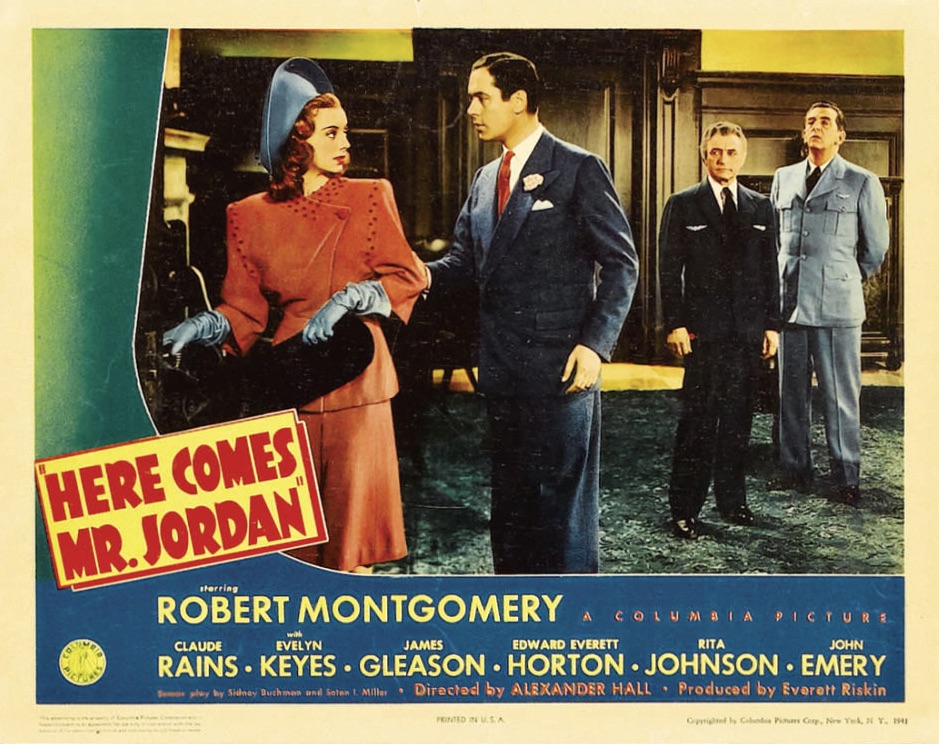
Audiences are obviously suckers for films about helpful ghosts or guardian angels because Hollywood has been grinding out variations on this theme for years. Alternately saccharine and sentimental, these films are rarely well received by the critics but there have been a few exceptions over the years, the chief one being Here Comes Mr. Jordan (1941), which is really the film that started the whole trend. In its wake, there were numerous contenders covering the same celestial terrain – I Married an Angel (1942), Angel on My Shoulder (1946), Down to Earth (1947) and Angels in the Outfield (1951) – but Here Comes Mr. Jordan remains the most imaginative, comical, and romantic of the lot.
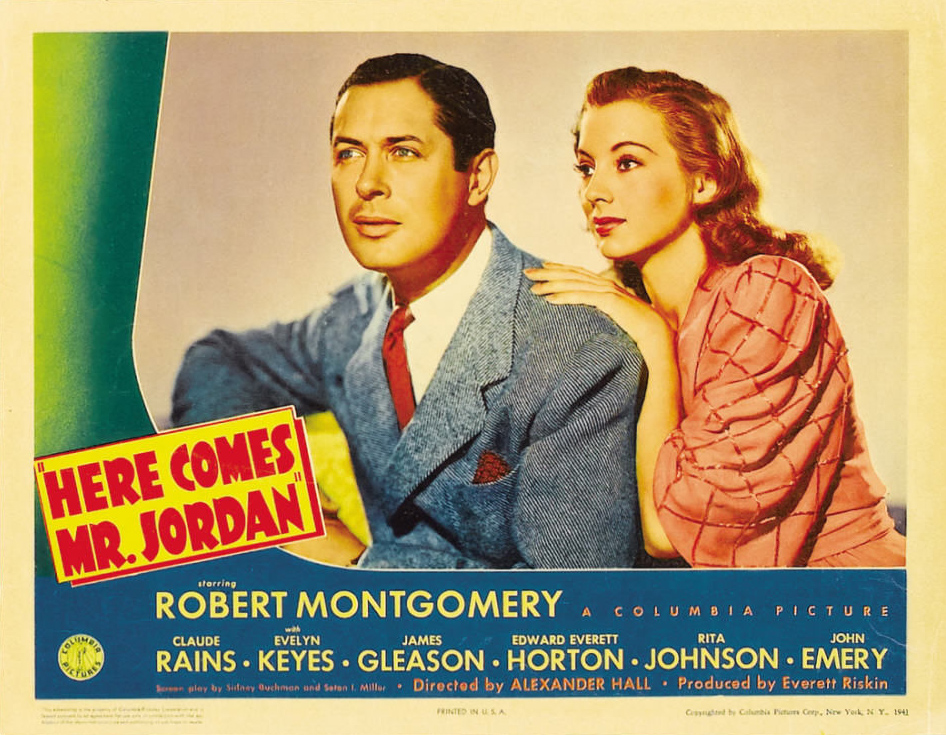
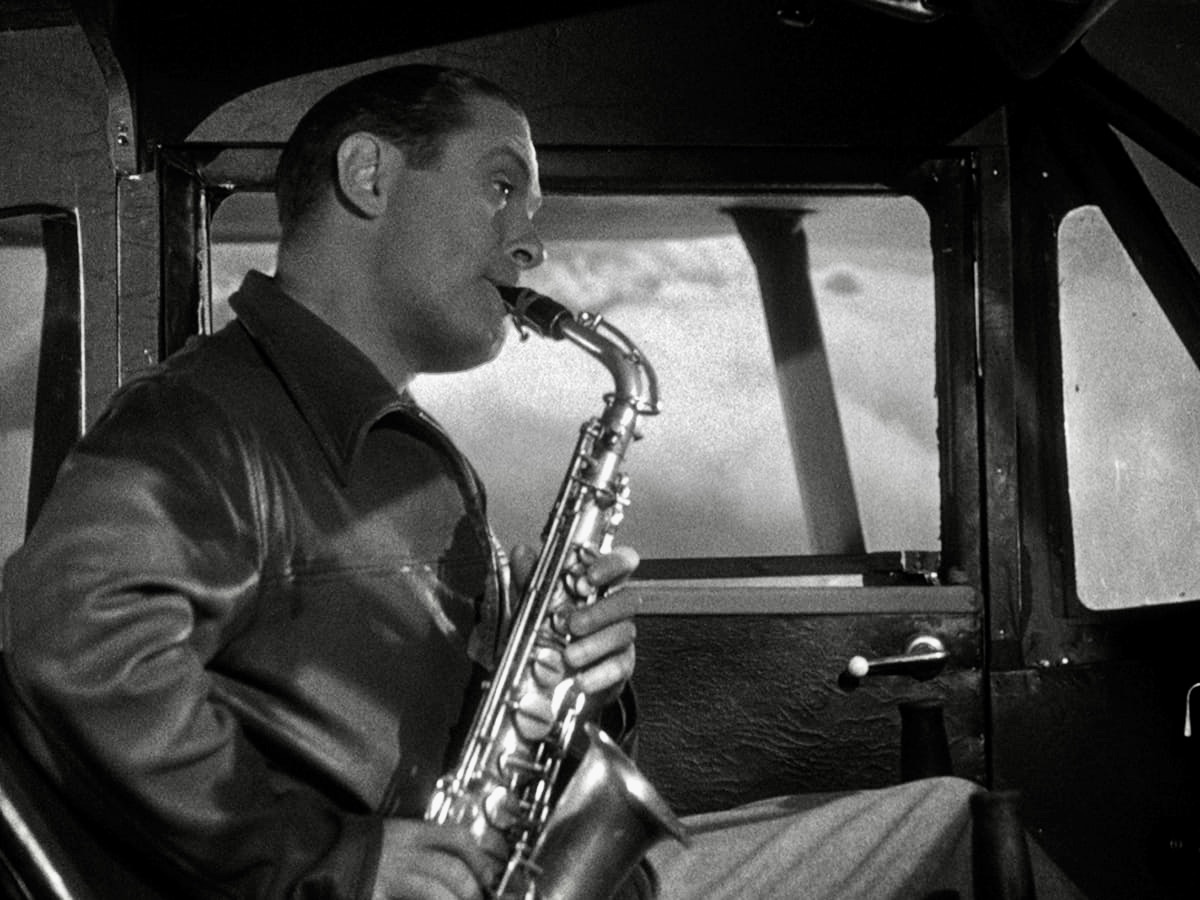
You may already know the basic premise since it was remade as Heaven Can Wait with Warren Beatty in 1978 and more recently as Down to Earth (2001) with Chris Rock. Joe Pendleton (Robert Montgomery) is a saxophone-playing boxer who is plucked from an airplane disaster by a heavenly messenger (Edward Everett Horton). In his haste, the messenger neglects to save Pendleton’s body from being destroyed in the crash so a new ‘vessel’ must be found for the former athlete’s spirit.
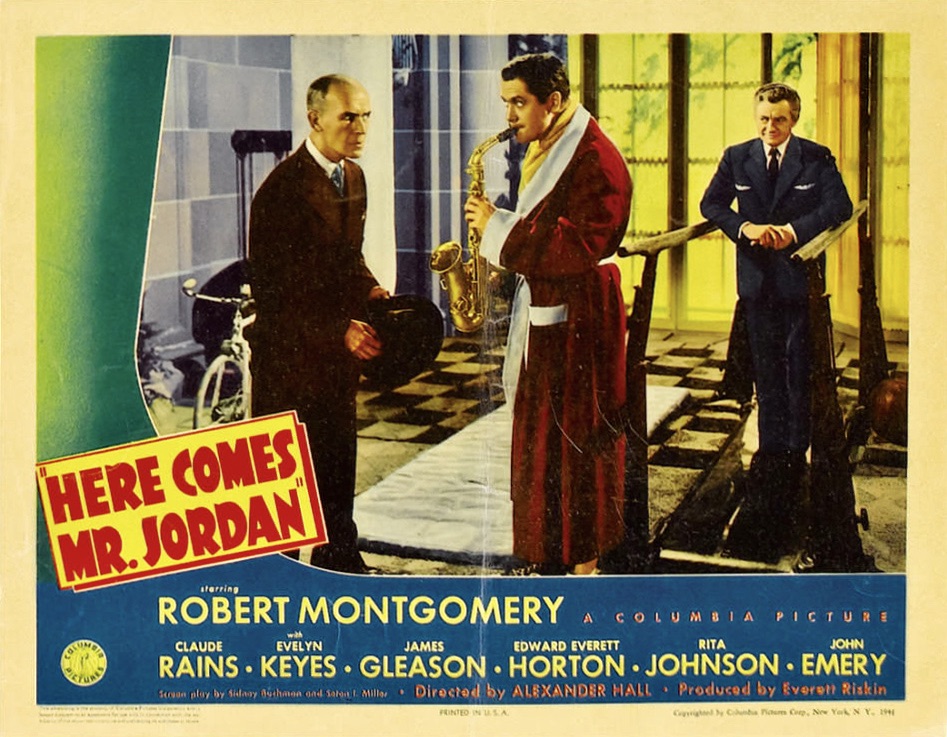
Mr. Jordan (Claude Rains), who is in charge of newly arrived souls in Heaven, solves the dilemma by placing Pendleton inside the body of just-murdered millionaire Bruce Farnsworth and revives him, completely baffling Farnsworth’s evil wife (Rita Johnson) and her lover (John Emery). Complicating matters even further are Farnsworth’s romance with a woman (Evelyn Keyes) handling a financial crisis for her father and his preparation for a championship boxing match under Pendleton’s former trainer (James Gleason).
In spite of its outlandish premise, Here Comes Mr. Jordan successfully suspends one’s disbelief through its expert performances, witty dialogue, and energetic direction by Alexander Hall. Audiences certainly bought it lock, stock and barrel, but critics loved it too and it garnered seven Oscar nominations, including a Best Picture nomination. It also won Academy Awards for Best Original Story (Harry Segall) and Best Screenplay (Sidney Buchman and Seton I. Miller).
One of the film’s many admirers was critic Theodore Strauss of The New York Times who wrote, “Columbia has assembled its brightest people for a delightful and totally disarming joke at heaven’s expense…It is also one of the choicest comic fantasies of the year.” Russell Maloney of The New Yorker called the film “”one of the brightest comedies of the year … Mr. Rains’ acting is the kind that makes the word ‘ham’ a word of endearment, and I mean that for a compliment.”
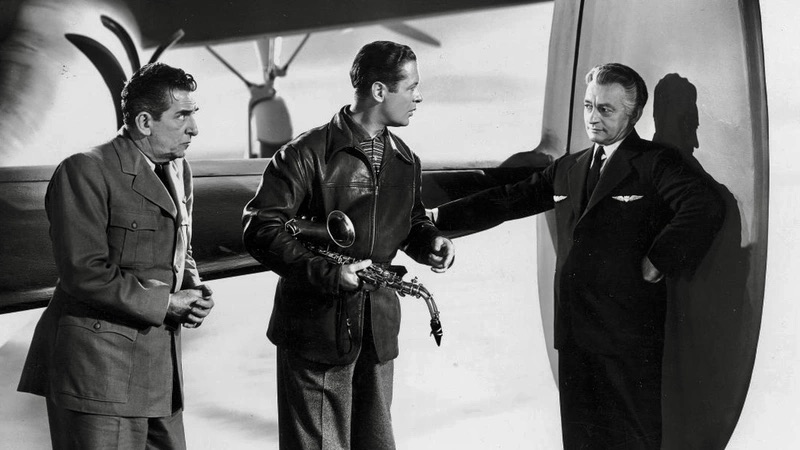
Even after more than 80 years, Here Comes Mr. Jordan continues to entertain and delight new generations of moviegoers as noted in this article on the film by Farran Smith Nehme for The Criterion Collection:” The much-loved Here Comes Mr. Jordan has spawned two direct remakes and a sequel, but the 1941 original retains a snap and a vigor—and a unique charm—that no other version has been able to duplicate. Why does it keep such a hold on our affections? Perhaps it’s the way it mixes elements in a way unique to its era—screwball comedy, slapstick farce, boxing fable, supernatural romance. Directed by Alexander Hall and released by Columbia Pictures, it boasts a just-crazy-enough premise….yet has enough real-world pathos to leave a lasting emotional impact. The rollicking dialogue and gleefully complex plot, the film’s belief in friendship, destiny, and true love, and even—or perhaps especially—its indifference to theology and the permanence of death, are as irresistible as ever.”
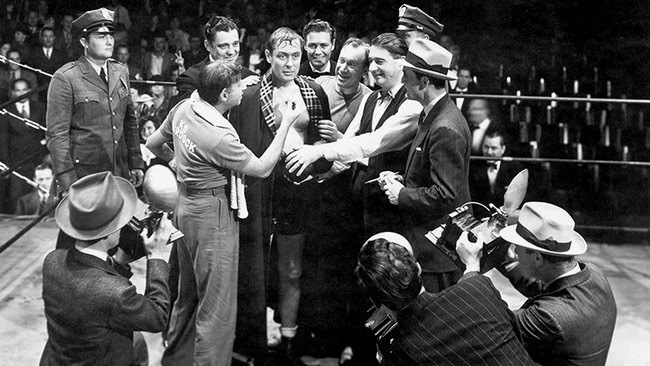
At the time it was made, however, Here Comes Mr. Jordan was actually seen as a risky venture for Columbia Pictures. Studio mogul Harry Cohn had his doubts about the film’s commercial prospects and was also getting heat from the company’s East Coast financial advisors, who thought Cohn should play it safe and only make pictures based on past successes. At this point, screenwriter Sidney Buchman conferred with Cohn and convinced him to try something different. Once Cohn committed to the project, he borrowed Robert Montgomery from MGM, even though the actor was not happy to be on loan to Columbia (It was considered “poverty row” compared to the lavish productions of Metro-Goldwyn-Mayer). Yet, despite Montgomery’s delightful performance in the lead (he received an Oscar nomination for Best Actor), it is Claude Rains and James Gleason who prove to be the chief scene stealers in Here Comes Mr. Jordan. Gleason, like Montgomery, was also honored for his performance and received a Best Supporting Actor nomination that same year.
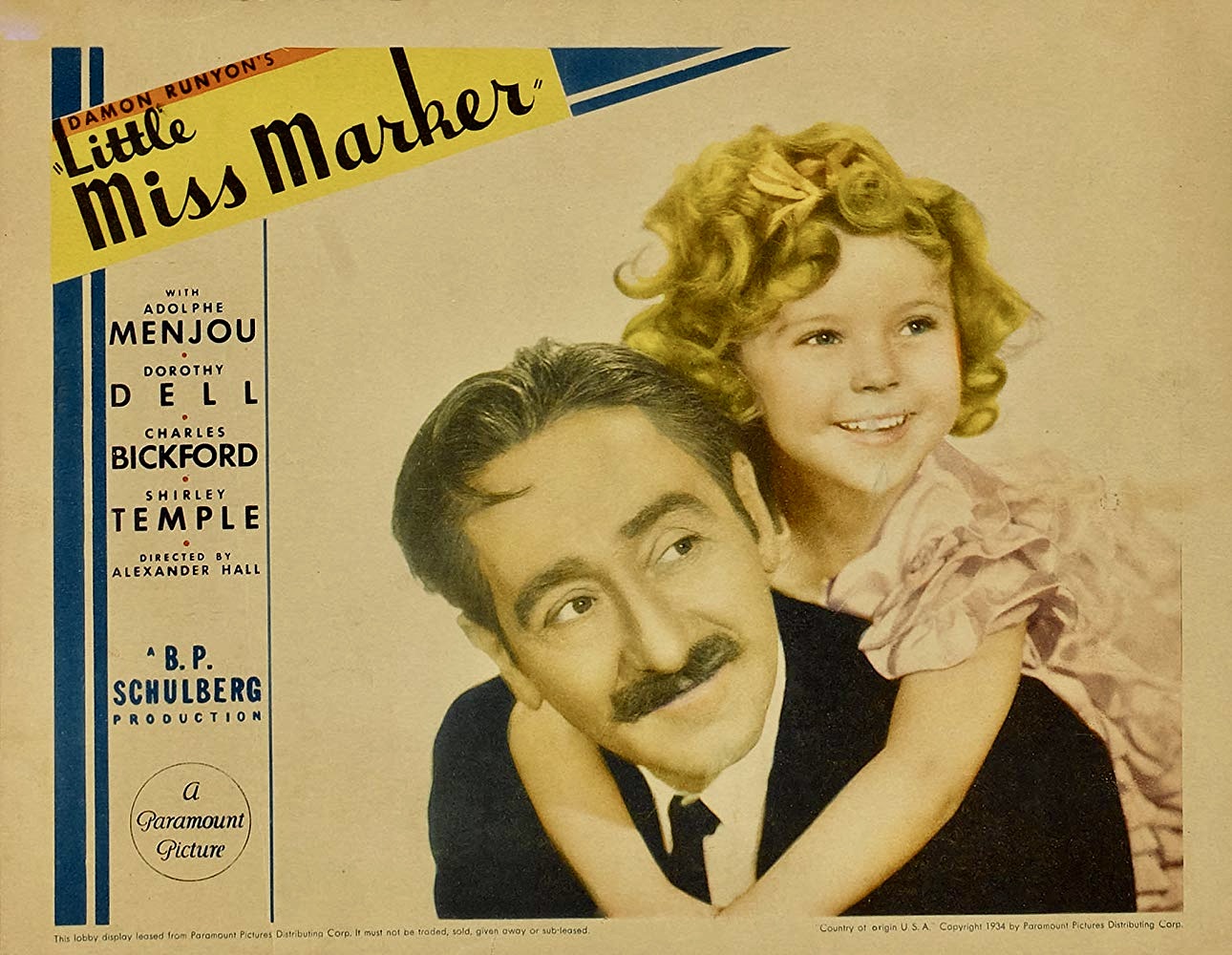
Here Comes Mr. Jordan would mark the only time Alexander Hall was nominated for a Best Director Oscar but he enjoyed a forty-two year career in Hollywood. He first entered the film industry as an actor in 1914 and, after serving in World War I, returned to work as an editor and assistant director. He moved into the director’s chair at Paramount in 1932, starting with Sinners in the Sun. Although he mostly churned out B-movie programmers for the studio, he did score a hit with Little Miss Marker (1934) featuring Shirley Temple and based on a Damon Runyon story.
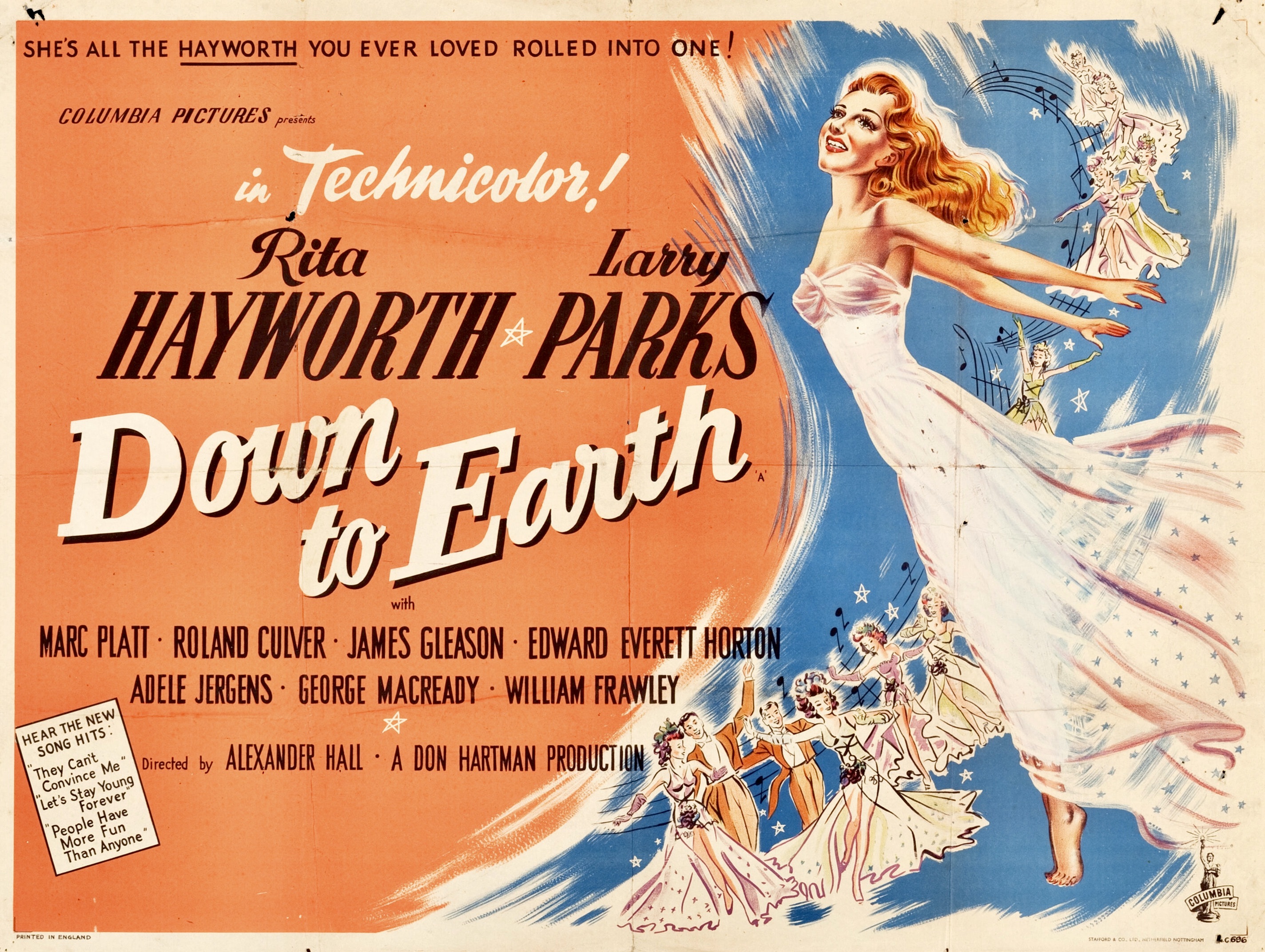
Hall graduated to A-pictures when he went to work for Columbia Pictures in the late 1930s and he began in specialize in light, breezy romantic comedies. In addition to Here Comes Mr. Jordan, his other major films for the studio included My Sister Eileen (1942), which garnered a Best Actress Oscar nomination for Rosalind Russell, and Down to Earth (1947), a semi-sequel to Here Comes Mr. Jordan starring Rita Hayworth and James Gleason and Edward Everett Horton returning as the same characters they played in the latter film.
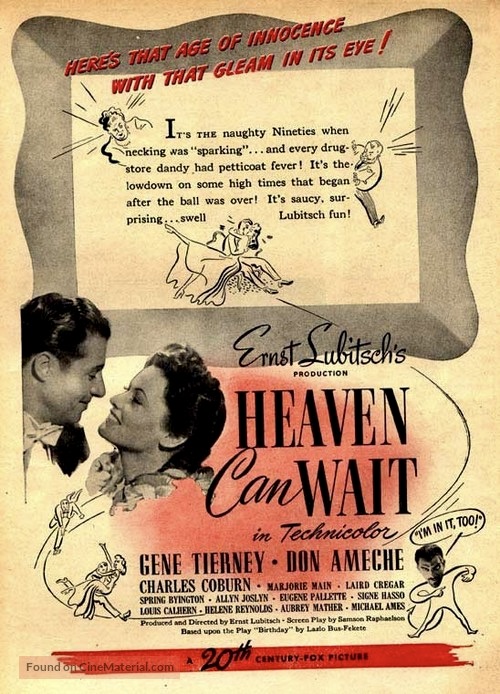
Heaven Can Wait, the title of the original play that was adapted for Here Comes Mr. Jordan, is often confused with the 1943 movie, Heaven Can Wait, starring Don Ameche and directed by Ernst Lubitsch. The latter, though also a comic fantasy, has no relation to the Harry Segall play and deals instead with a playboy who reviews his notorious past while awaiting entrance into Hades.
Here Comes Mr. Jordan has appeared in various formats over the years but the best option is the Blu-ray edition from The Criterion Collection (released in June 2016) that includes extra features like an audio interview with actress Elizabeth Montgomery on her father’s career and the 1942 Lux Radio Theatre broadcast with Cary Grant replacing Robert Montgomery in the main role.

Other links of interest:
https://mubi.com/en/notebook/posts/act-like-a-man-robert-montgomery-war-hero-and-respectable-heel
https://kids.britannica.com/students/article/Alexander-Hall/627269
https://variety.com/2008/film/news/actress-evelyn-keyes-dies-at-91-1117988848
https://www.hollywoodsgoldenage.com/actors/claude_rains.html
 Cinema Sojourns