
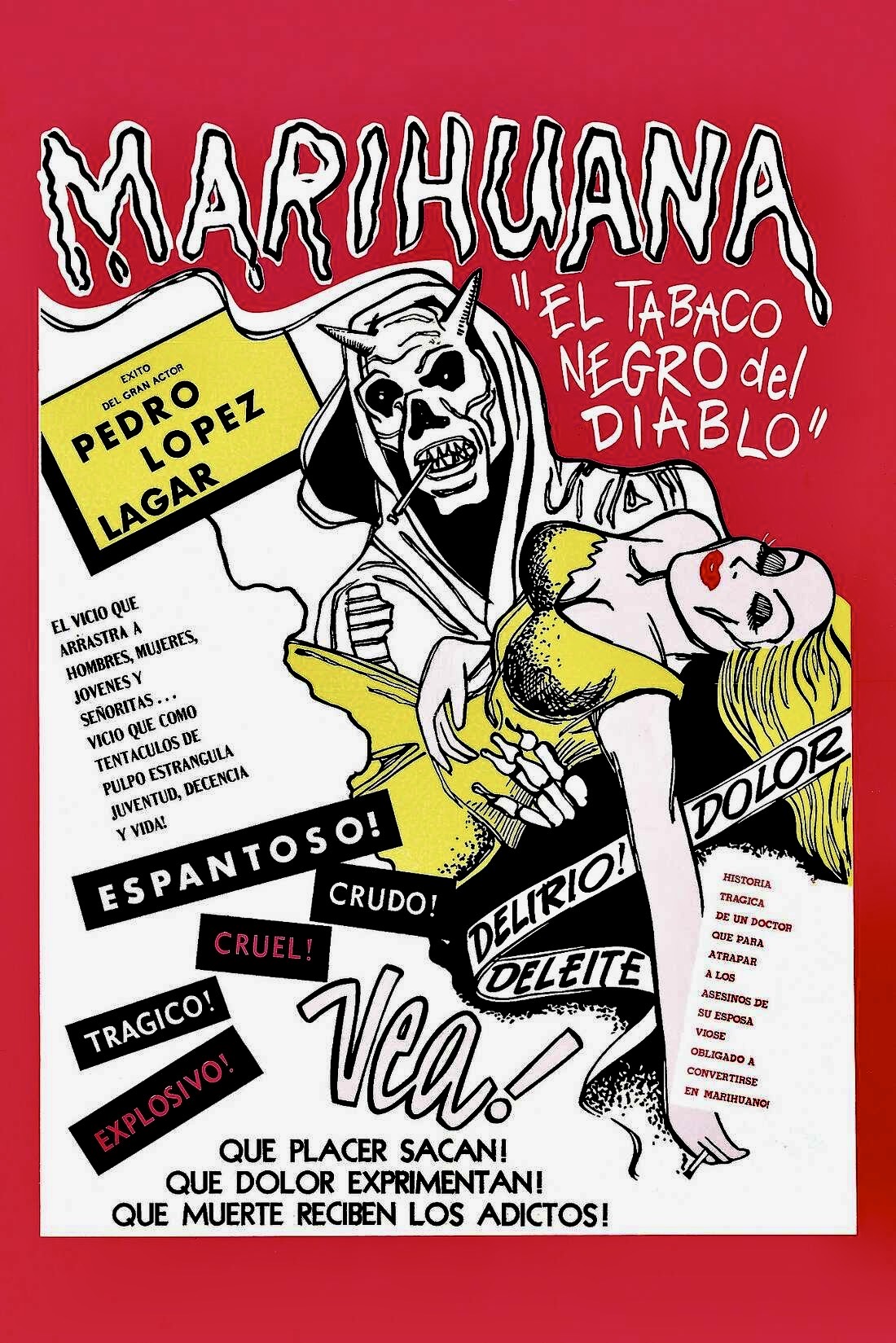
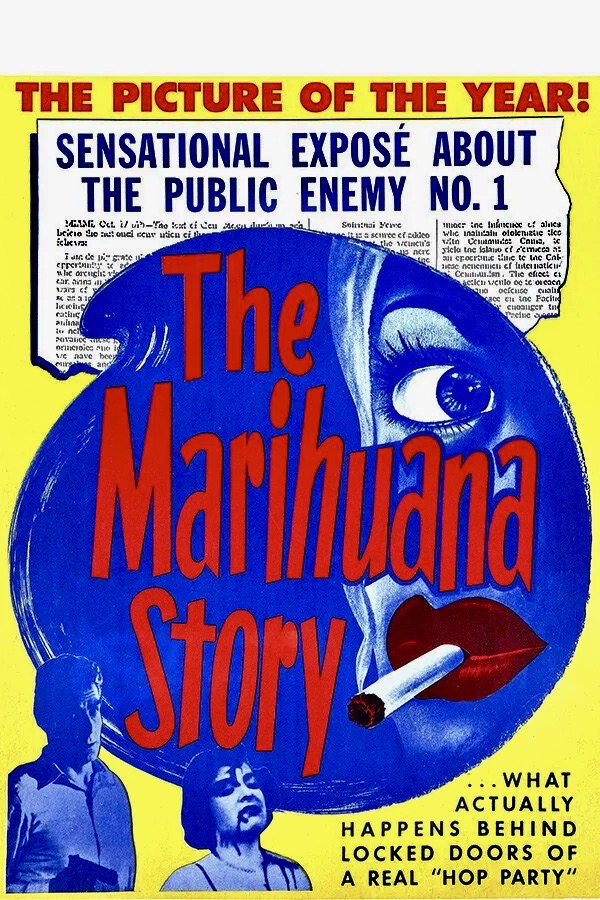
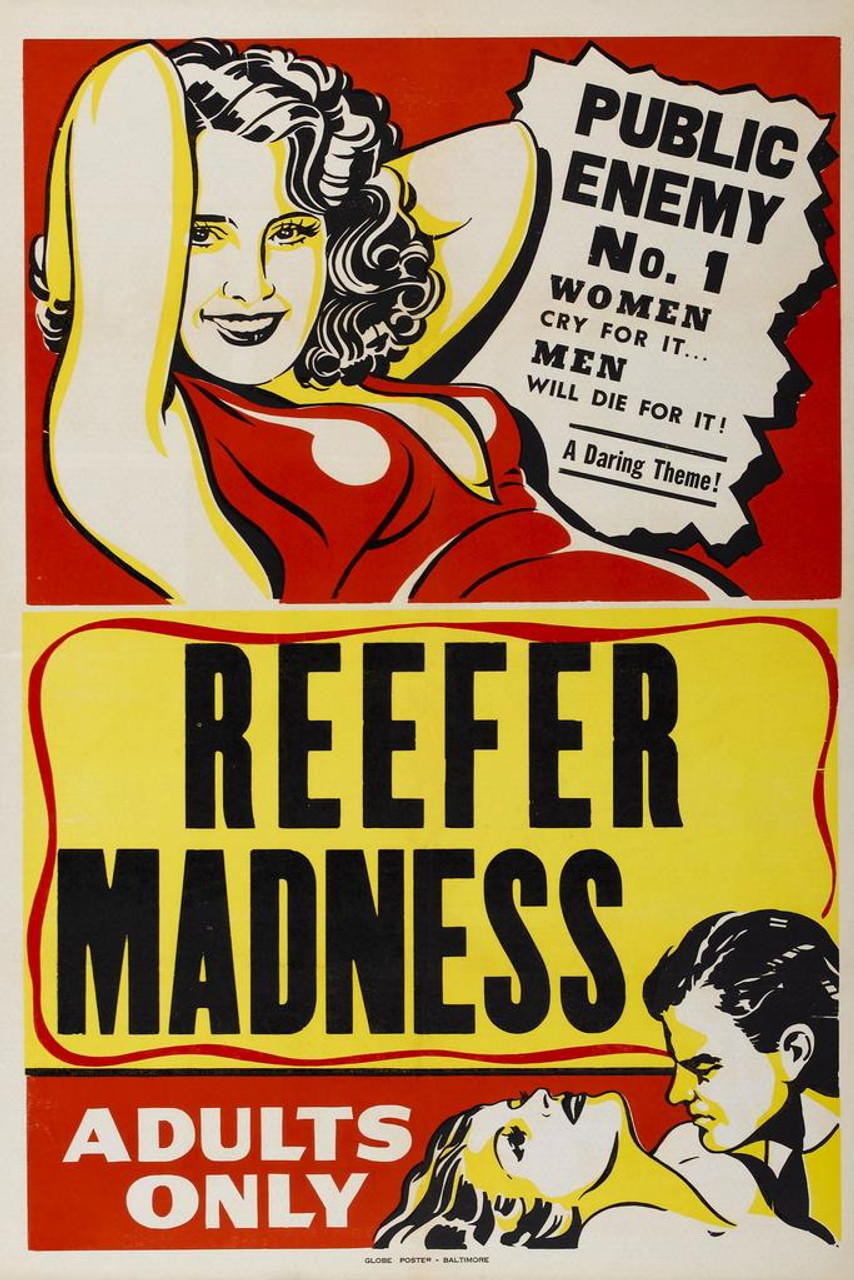
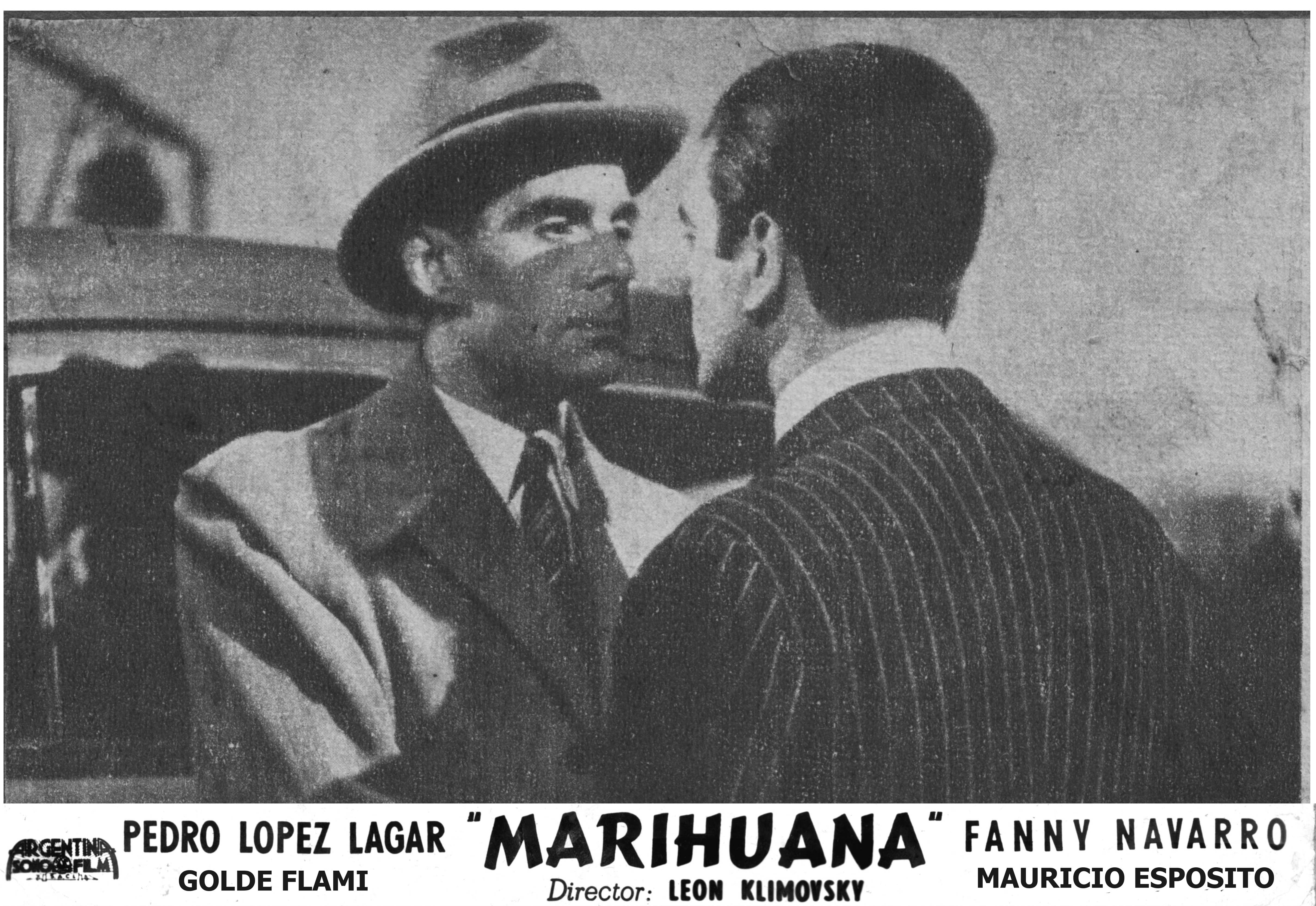
Among the many anti-marijuana films made over the years, it is generally agreed that the most famous of them all is Reefer Madness (1936), which earned a huge cult following in the 1960s due to its outrageously over-the-top depiction of marijuana use and its effects. Most of the anti-pot movies were false, exaggerated presentations of how the herb turned users into addicts and rivaled heroin as a gateway into sin, debauchery, violence and death. The U.S. was not alone in turning out these anti-drug scare films and one of the lesser known but historically significant releases for its time was Marihuana (U.S. title, The Marihuana Story, 1950), directed by Argentinian filmmaker Leon Klimovsky, who would later relocate to Spain and specialize in horror movies, spaghetti westerns and other low-budget genre efforts.
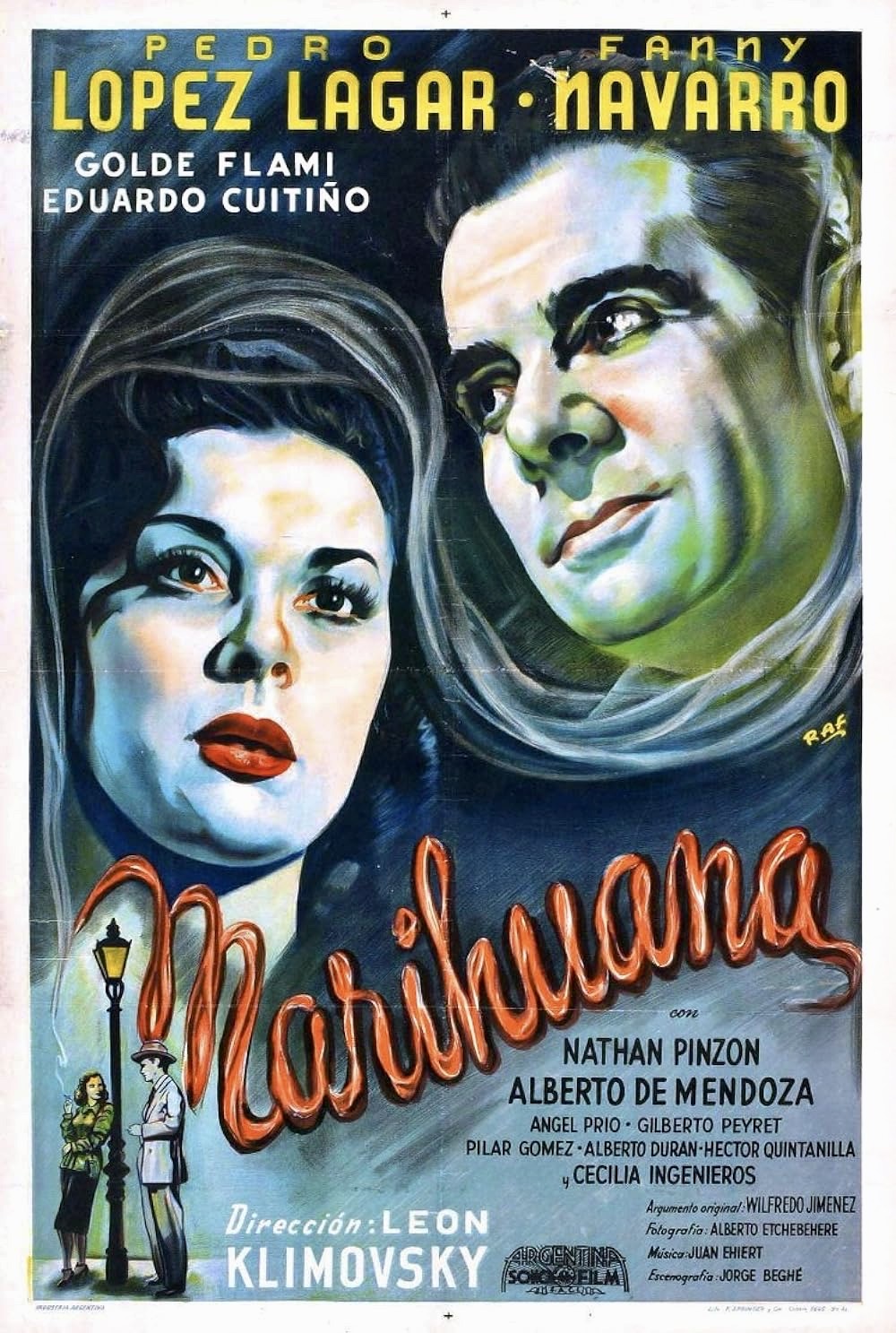
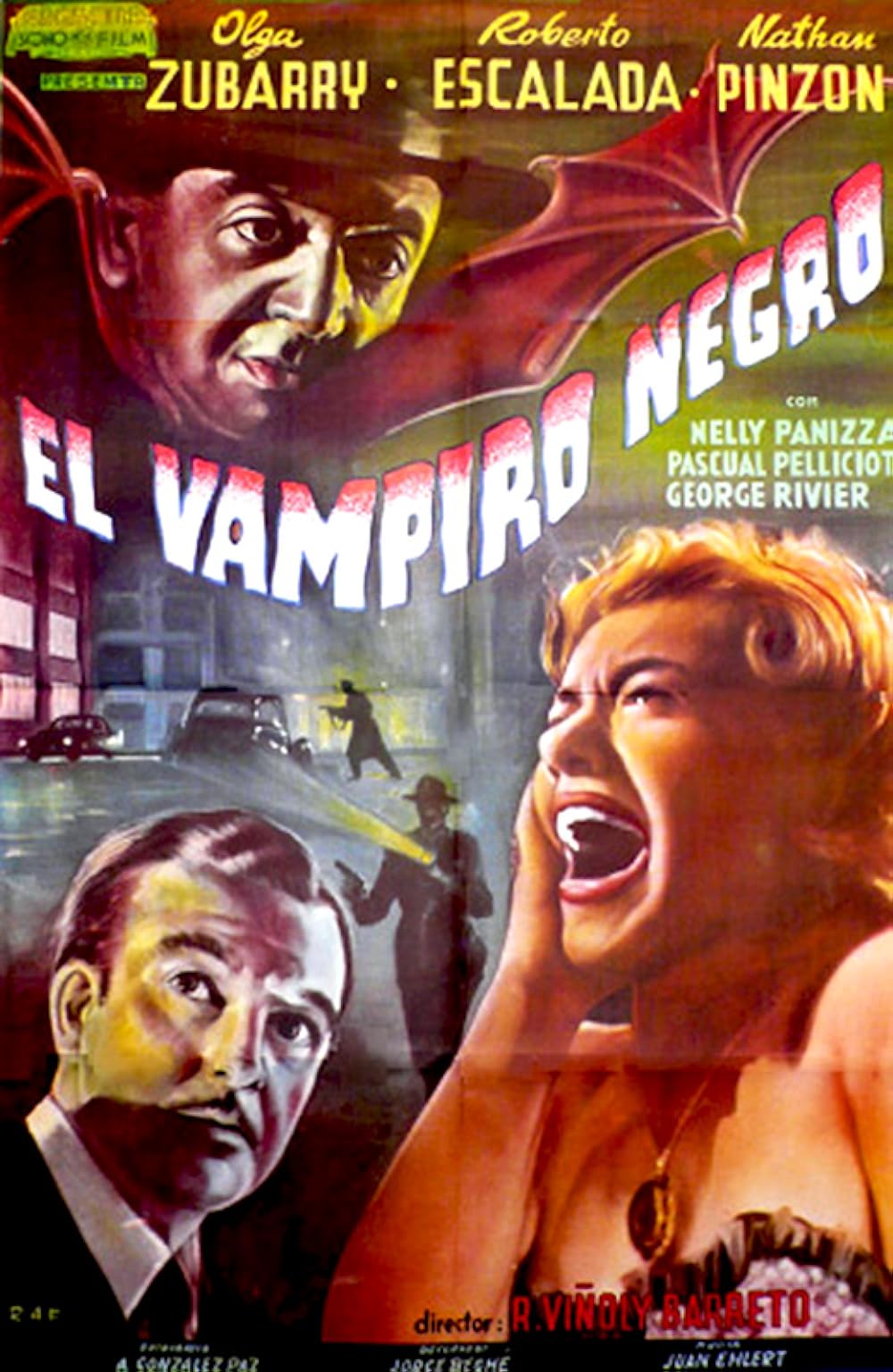
Like Reefer Madness, The Marihuana Story was highly inaccurate and melodramatic in its presentation of pot as a dangerous drug but it wasn’t a typical expose for this moralistic subgenre. For one thing, the movie was primarily a crime drama with a revenge angle. It had the look and feel of a vintage film noir from the forties, thanks to the moody black and white cinematography of Alberto Etchebehere, who also filmed two of the most famous Argentinian noirs, La Bestia debe Morir (The Beast Must Die, 1952) and El Vampiro Negro (The Black Vampire, 1953). In addition, The Marihuana Story featured some of the most popular and prestigious actors in the Argentina film industry.
For the American release of Klimovsky’s film, it was given a new sensationalistic opening with English narration warning of the dangers of pot and newspaper headlines like “Wave of Brutal Crimes Laid to Marihuana Smoking.” The film then reverted to the original Argentinian version in Spanish with English subtitles while the narrative unfolded as a flashback as told from the perspective of Dr. Pablo Urioste (Pedro Lopez Lagar), a respected surgeon. When his wife Leonora stumbles into a sleazy dive of a nightclub and dies from a knife wound, Pablo learns that she had become addicted to marihuana as a pain killer for a previous operation and started hanging out with drug dealers and addicts. Her murderer was someone who frequented the nightclub where she died and Pablo decides to investigate on his own and apprehend the real killer.
In attempting to maneuver this sordid underworld, Pablo befriends Chevrolet (Hector Quintanilla), an opportunistic, hopped-up go-between for drug kingpin Pancho Julio (Eduardo Cuitino), and exotic dancer Marga (Fanny Navarro), who knew Leonora and is a fellow addict. Marga comes on like a femme fatale but ends up helping Pablo in his quest.
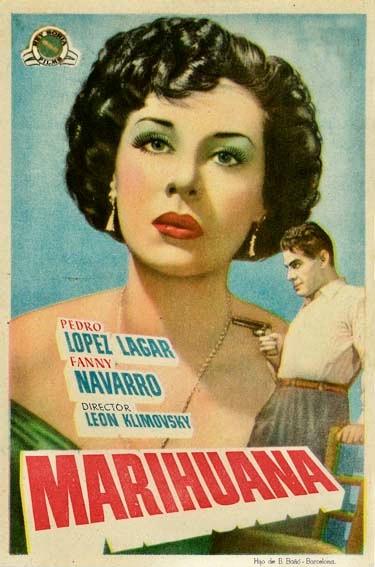
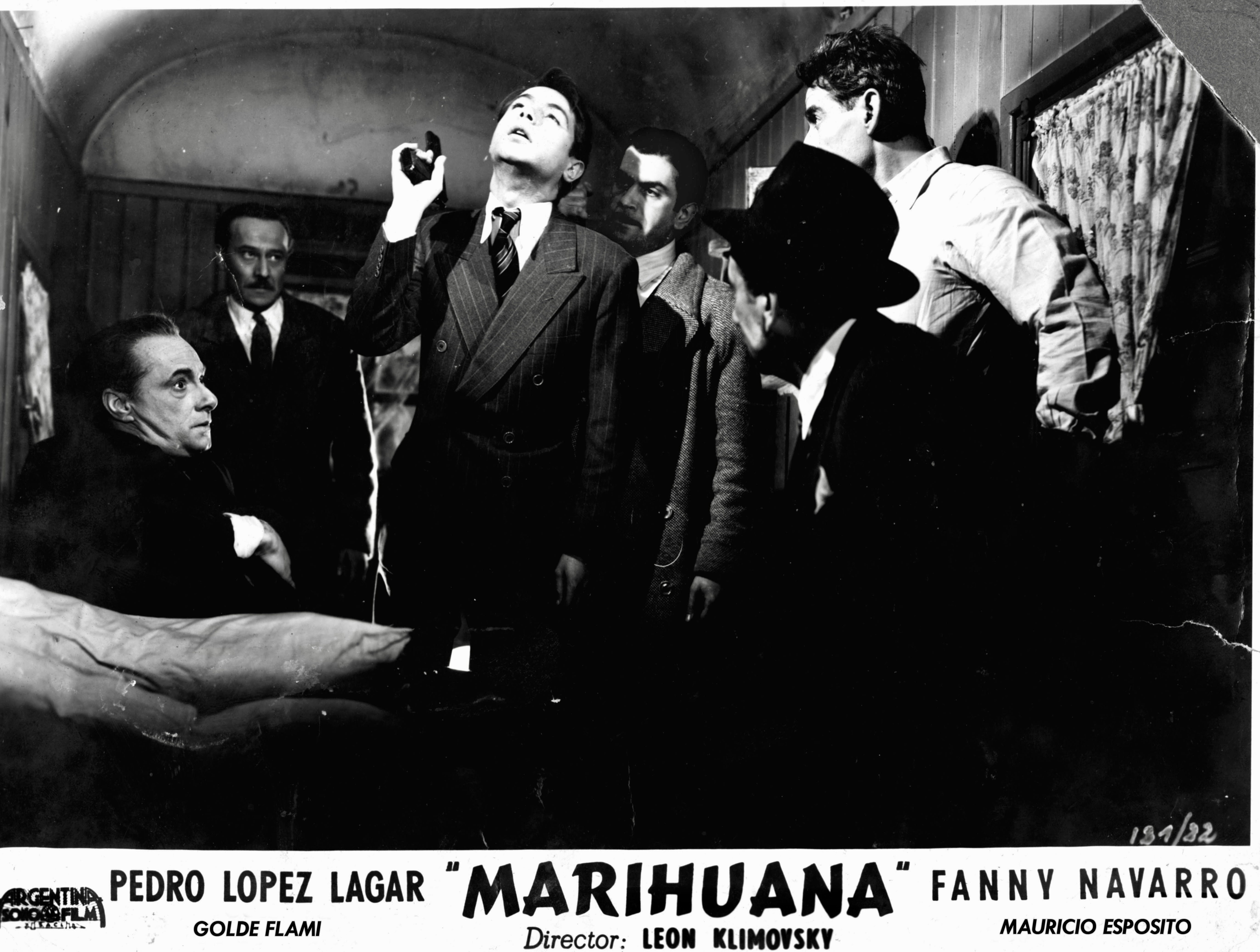
Meanwhile police lieutenant DeLuca (Alberto de Mendoza) tries to discourage Pablo from getting involved in his wife’s murder investigation but the surgeon infiltrates the drug dealer’s circle and is coerced into getting stoned in a basement drug den. The grass puts him in a brain fog and makes him an addict (after one night of partying!). But even in his addled state of mind, he continues to track down his wife’s murderer and eventually succeeds in a climatic shootout between the cops and Pancho and his gang with Pablo firing his gun wildly in a drug induced stupor.
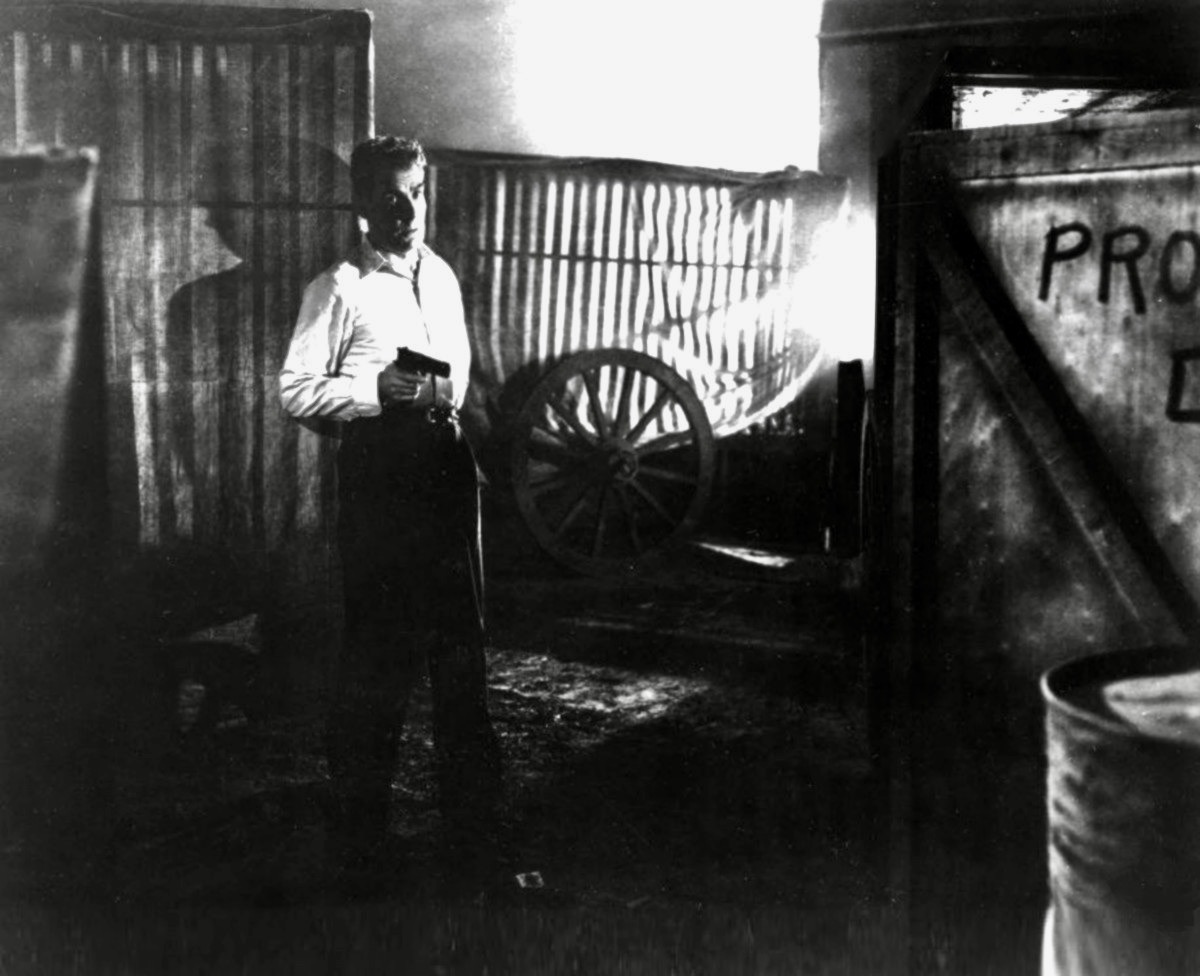
On its own terms, The Marihuana Story is a fast-paced, effective B-movie thriller with some atmospheric locations in Buenos Aires. The anti-pot propaganda is secondary to the main story of Pablo’s revenge for his wife’s murder but the drug hallucination scenes, especially Pablo’s memory of his marijuana binge, are depicted like nightmare sequences in a horror film. People look distorted like funhouse images of themselves and act as crazy as insane asylum inmates out of The Snake Pit (1948) or some other dated Hollywood depiction of mental patients. Of course, it is exaggerated and laughable but the criminal underworld of Pancho is another matter and, when the storyline sticks to the drug traffickers, it makes for a gritty tale of urban crime.
When you look at the history of anti-marijuana films, there was a big push by exploitation filmmakers to capitalize on it in the 1930s with Reefer Madness standing out from equally ridiculous competitors like Marijuana aka Assassin of Youth (1938), directed by Elmer Clifton. There was a resurgence of interest in the forties and early fifties with Devil’s Harvest (1942), The Devil’s Weed aka Wild Weed (1949) and the classroom short The Terrible Truth (1951), among the prime examples.
Even in the late 1960s, anti-pot movies weren’t unusual with such infamous scare tactic educational shorts as Marijuana (1968), narrated by Sonny Bono, and the unintentionally funny AIP melodrama Maryjane (1968), in which football coach/art teacher Fabian uncovers a marijuana drug ring in his high school.
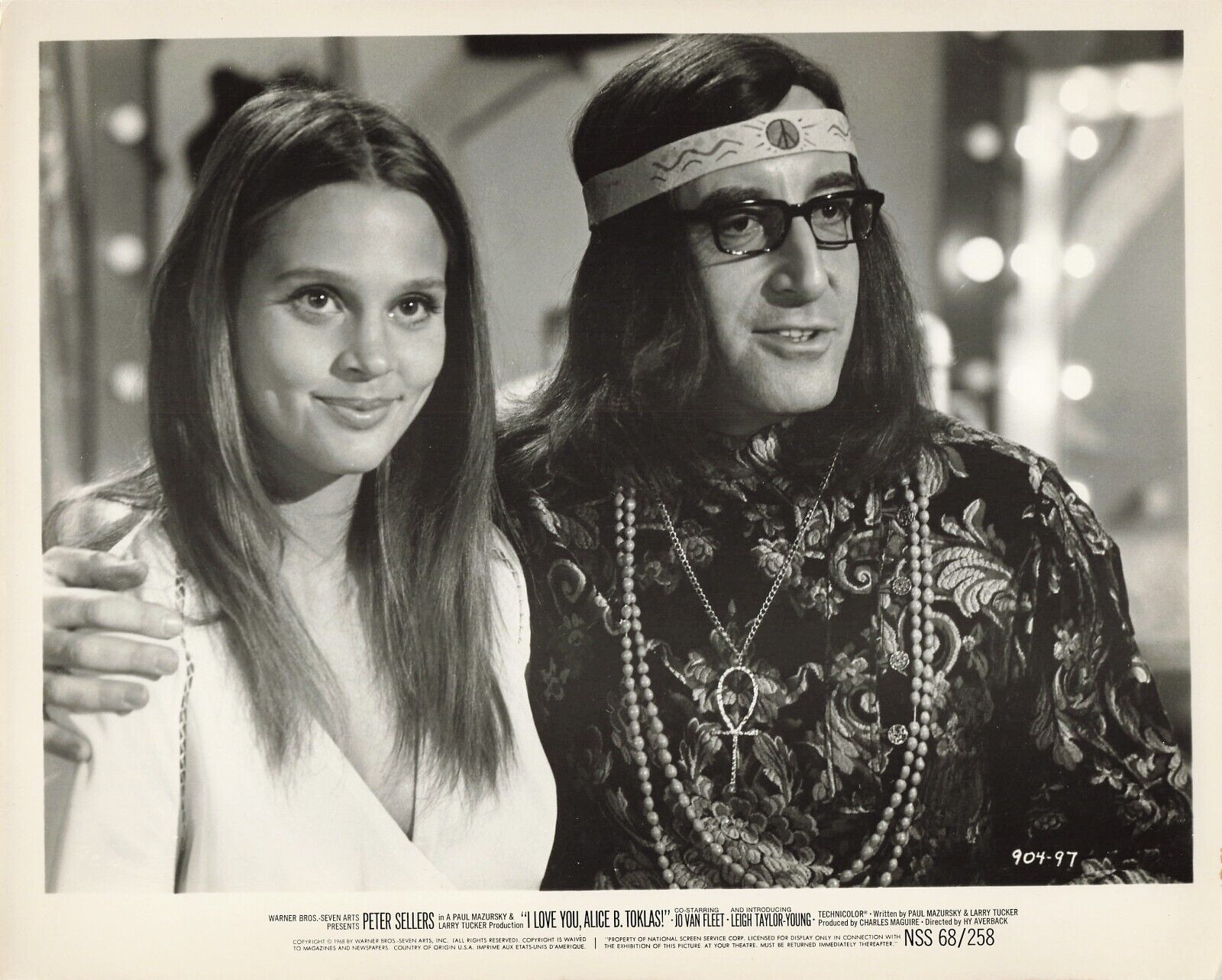
But 1968 was also the year that pot smoking and eating became a comedy troupe, thanks to the counterculture satire, I Love You, Alice B. Toklas, starring Peter Sellers. After that, marijuana consumption became a comedic device as witnessed by the release of such stoner classics as Cheech and Chong’s Up in Smoke (1978). And in contemporary cinema, pot smoking is often the chief pastime of the movie’s main characters as it is in Half Baked (1998), Fear and Loathing in Las Vegas (1998), The Big Lebowski (1998), How High (2001) and Pineapple Express (2008).
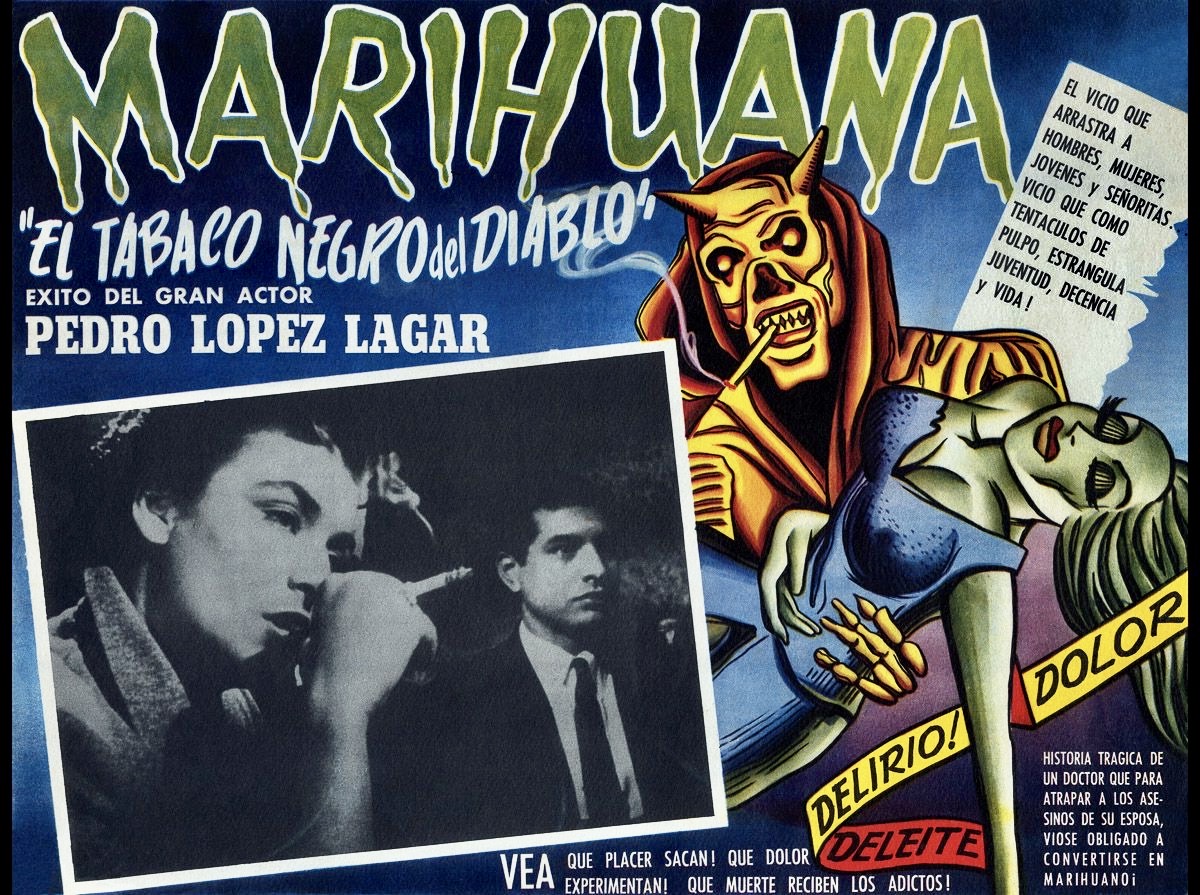
…Which is why it’s amusing to look back at Klimovsky’s The Marihuana Story and see pot smokers depicted as shaking like heroin withdrawal victims or laughing maniacally after a few puffs. In fact, the most unusual aspect of The Marihuana Story is the fact that the movie was nominated for the Grand Prize for Leon Klimovsky’s direction at the 1951 Cannes Film Festival (The Grand Prize winner was split that year between Vittorio De Sica’s Miracle in Milan and Alf Sjoberg’s Miss Julie). Klimovsky would later garner several film festival honors for some of his Spain-based pictures of the late fifties-early sixties such as the colorful musical romance La Picara Molinera (1955), the historical biography Salto a la Gloria (1959) and the political drama La Paz Empieza Nunca (1960). Still, most film fanatics know Klimovsky for his sixties genre efforts which started in 1966 with the spaghetti western A Few Dollars for Django with Anthony Steffen in the title role.

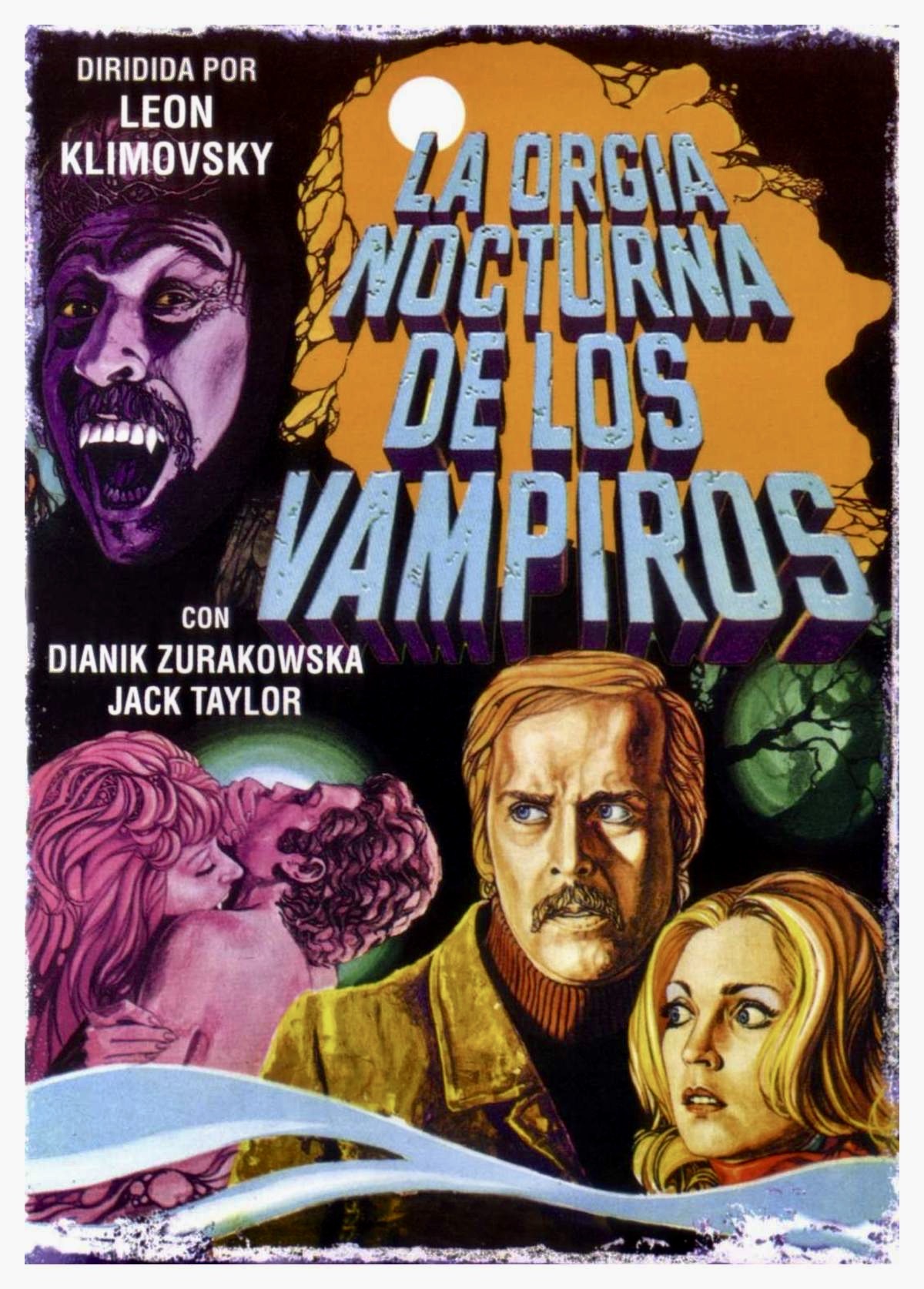
Klimovsky’s main claim to fame, however, are his horror film collaborations with cult film actor/screenwriter/director Paul Naschy aka Jacinto Molina Alvarez, which began with La Noche de Walpurgis (U.S. title: The Werewolf Versus the Vampire Woman) in 1971. Other horror film highlights are Dr. Jekyll vs. the Werewolf (1972), Vengeance of the Zombies (1973) and The Vampires Night Orgy (1973) with American actor Jack Taylor in the leading role. All of them are highly entertaining, better-than-average pulp offerings for the horror aficionado.
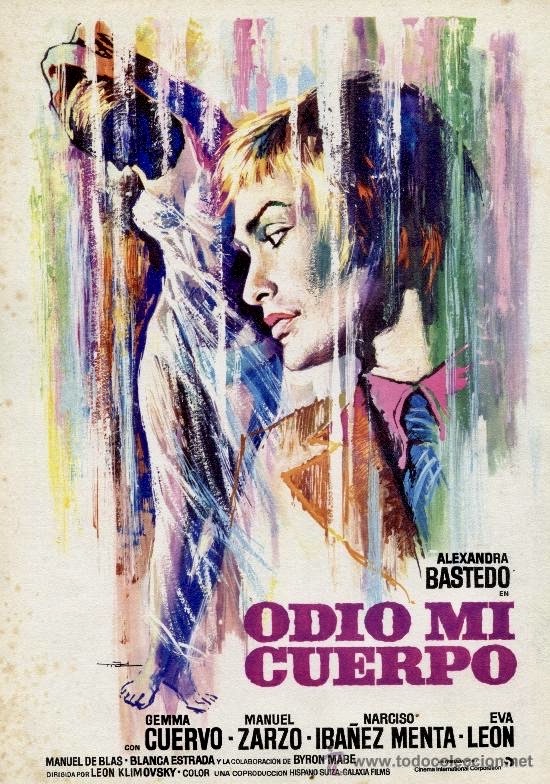
The director also dabbled in other genre fare such as the WW2 drama A Bullet for Rommel (1969) with Jack Palance, a post-apocalyptic sci-fi thriller The People Who Own the Dark (1976), and the unclassifiable I Hate My Body (1974), in which the brain of a male engineer is transplanted into the body of a beautiful woman after a serious traffic accident.
The Marihuana Story is no forgotten masterpiece but it is still an interesting footnote in the history of anti-pot movies and is of interest to fans of Klimovsky’s Euro-horror pictures who want to see what the director was doing in his early years in Argentina. The Marihuana Story is not currently available on DVD or Blu-ray in the U.S. but you can stream the American release version (with the added prologue) for a low fee on the Something Weird website.
Other links of interest:
https://mondo-esoterica.net/links_pages/Leon%20Klimovsky.html
 Cinema Sojourns